


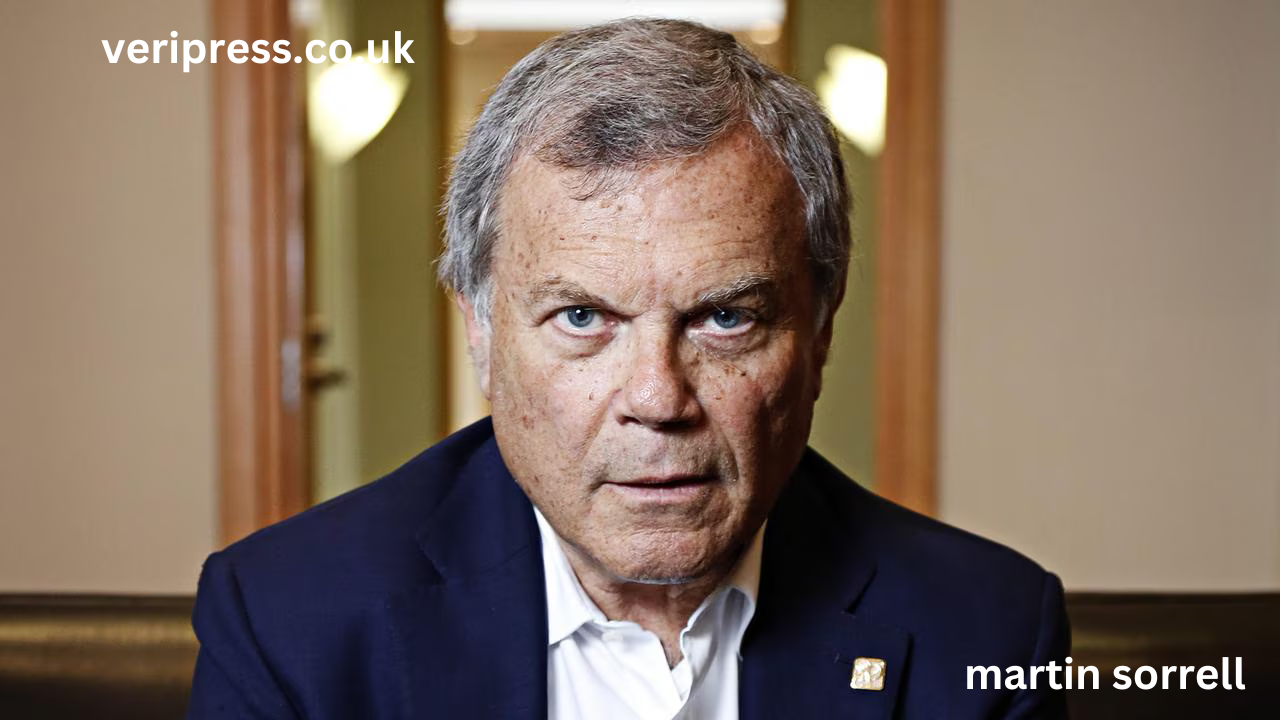
Martin Sorrell is widely regarded as one of the most influential figures in the global advertising and marketing industry. Over several decades, he reshaped how agencies operate, pioneered large-scale acquisitions, and helped build one of the most Martin Sorrell powerful communications networks in the world. His career reflects ambition, strategic thinking, and a deep understanding of the evolving relationship between brands, consumers, and media.
From building a global advertising empire to launching a new digital-first venture, Martin Sorrell’s journey offers valuable insight into leadership, transformation, and the future of marketing.
Early Life and Education of Martin Sorrell
Martin Sorrell was born on February 14, 1945, in London, England. Raised in a family that valued education and ambition, he demonstrated intellectual promise early in life. He attended Christ’s College, Cambridge, where he earned a degree in economics. His academic background would later shape his analytical approach to business strategy and financial growth.
After Cambridge, he went on to complete an MBA at Harvard Business School. Exposure to international markets and advanced business thinking refined his global perspective, preparing him for a career that would span continents.
The foundation laid during his academic years played a crucial role in shaping the strategic mindset that defined Martin Sorrell’s later achievements.
Early Career Foundations
Before entering the advertising world, Martin Sorrell worked in finance. He held roles in corporate finance and gained valuable experience in mergers, acquisitions, and investment strategies. These early professional experiences became essential tools in his later expansion strategies.
His move into the communications industry began when he joined Saatchi & Saatchi in the 1970s as group finance director. At that time, the agency was rapidly expanding and making bold acquisitions. Observing this growth model gave Sorrell insight into how scaling through acquisitions could build a global network.
It was during this period that Martin Sorrell began envisioning a large, diversified communications group of his own.
The Creation of WPP and Strategic Expansion
In 1985, Martin Sorrell acquired a small publicly listed company called Wire and Plastic Products. This modest shell company would soon become the foundation of a global advertising giant. He renamed it WPP and began a strategy of acquiring major agencies and communications firms.
Over the next two decades, WPP acquired prominent agencies including J. Walter Thompson, Ogilvy & Mather, and Young & Rubicam. These acquisitions transformed WPP into one of the world’s largest marketing services groups.
Sorrell’s strategy focused on three principles:
- Global scale
- Diversification across marketing disciplines
- Data-driven insights
By bringing together creative agencies, media buying firms, public relations companies, and research organizations under one umbrella, he created an integrated communications powerhouse.
Leadership Style and Business Philosophy
Martin Sorrell’s leadership style is often described as disciplined, analytical, and intensely focused on performance. He emphasized measurable results, financial accountability, and operational efficiency.
He believed that:
- Data is central to marketing effectiveness
- Global clients require consistent international support
- Digital transformation is essential for growth
- Talent development is critical to long-term success
His forward-looking approach helped WPP stay competitive during major shifts in media consumption, especially with the rise of digital platforms.
The Digital Transformation Era
As technology began reshaping the advertising landscape, Martin Sorrell recognized the need to invest in digital capabilities. Traditional media was declining, while online platforms, search engines, and social networks were gaining dominance.
Under his leadership, WPP invested heavily in digital agencies, data analytics firms, and technology-driven marketing services. This shift allowed the company to adapt to the changing environment and serve clients more effectively.
Sorrell often spoke about the importance of understanding consumer data and using technology to personalize marketing strategies. His early emphasis on digital transformation placed WPP ahead of many competitors.
Global Influence and Industry Recognition
Over the years, Martin Sorrell became one of the most recognized figures in global business. He was frequently featured in business rankings and recognized for his contributions to the communications industry.
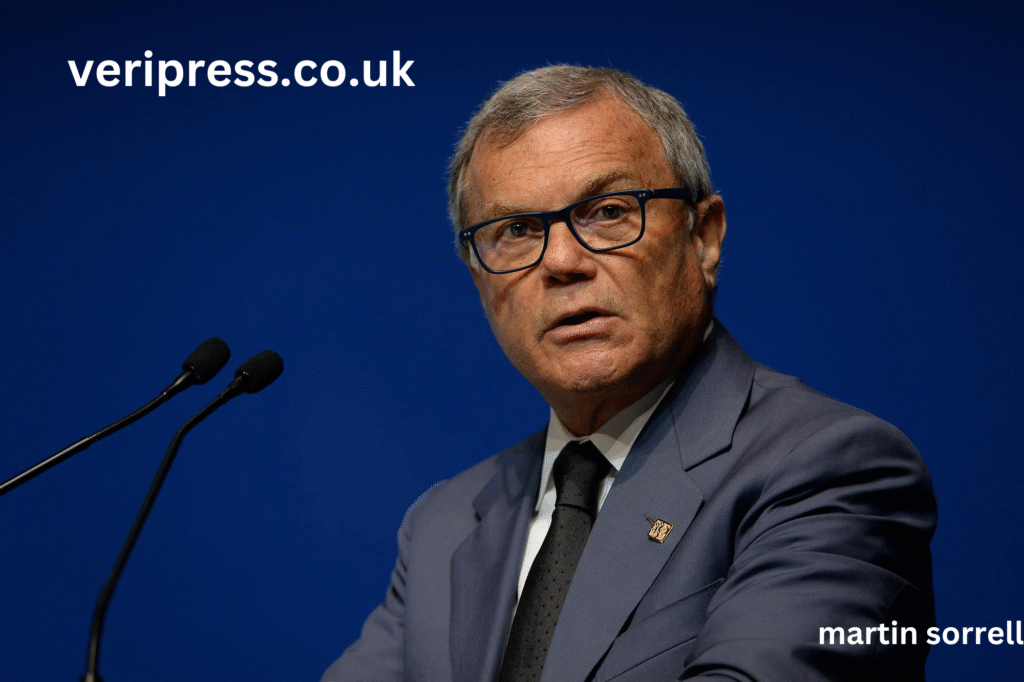
His influence extended beyond advertising. He regularly commented on global economic trends, technology shifts, and consumer behavior. Industry conferences often featured him as a keynote speaker, where he discussed innovation, globalization, and the future of branding.
Sorrell’s ability to analyze global markets made him a respected voice in corporate strategy discussions.
Challenges and Controversies
Like many high-profile executives, Martin Sorrell faced challenges and controversies throughout his career. Leadership at such a large organization inevitably brings scrutiny.
In 2018, he stepped down as CEO of WPP following an internal investigation. Though the circumstances were widely discussed in the media, he denied wrongdoing. His departure marked the end of an era at WPP but did not conclude his career.
This period highlighted the complexities of corporate governance and leadership at the highest levels of global business.
The Launch of S4 Capital
Soon after leaving WPP, Martin Sorrell founded a new company called S4 Capital. This venture reflected his belief that the future of marketing lies in digital-first services.
S4 Capital was built around a streamlined model focused on content, data, and programmatic media. Unlike traditional agency networks with layered structures, S4 Capital emphasized agility and integration.
Through strategic acquisitions of digital agencies, Sorrell once again demonstrated his ability to scale businesses quickly. His experience in building global networks proved valuable in this new chapter.
Martin Sorrell and the Future of Advertising
Martin Sorrell has consistently emphasized that the advertising industry is undergoing continuous transformation. According to his perspective, key trends shaping the future include:
- Artificial intelligence in marketing
- Data-driven personalization
- Direct-to-consumer brand strategies
- The growing influence of major technology platforms
He often discusses the power of companies like Google and Meta Platforms in shaping advertising ecosystems. Understanding these platforms, he argues, is critical for agencies and brands alike.
His analysis of digital disruption continues to influence industry discussions worldwide.
Financial Strategy and Acquisition Expertise
A defining characteristic of Martin Sorrell’s career has been his mastery of acquisitions. Rather than building agencies organically from scratch, he frequently acquired established firms and integrated them into a broader network.
This approach offered several advantages:
- Rapid market expansion
- Access to established client relationships
- Immediate revenue growth
- Diversification of services
His financial discipline ensured that acquisitions aligned with long-term strategy. This model became a blueprint for scaling communications companies globally.
Influence on Corporate Branding
Martin Sorrell’s impact extends into corporate branding philosophy. He understood that brand reputation, global consistency, and cultural sensitivity are essential in international marketing.
Under his leadership, agencies worked with multinational corporations to craft unified brand identities across regions. His emphasis on research and data strengthened campaign effectiveness.
Today’s integrated marketing strategies owe much to the structural innovations he championed.
Criticism and Public Perception
Public perception of Martin Sorrell has been complex. Admirers praise his strategic vision and business acumen. Critics point to controversies and management style debates.
Such mixed perspectives are common for transformative leaders. The scale of his influence naturally attracted both admiration and criticism.
Regardless of viewpoint, few deny the scale of his impact on global advertising.
Personal Life and Public Persona
Martin Sorrell has maintained a relatively private personal life compared to his professional visibility. However, his presence at global economic forums and industry events has made him a recognizable figure.
His articulate communication style and confident demeanor reflect his strong understanding of markets and media trends.
Lessons from Martin Sorrell’s Career
There are several lessons that entrepreneurs and business leaders can draw from Martin Sorrell’s journey:
- Think globally from the beginning
- Embrace technological change
- Build through strategic acquisitions
- Prioritize data-driven decisions
- Adapt continuously to evolving markets
These principles remain relevant in today’s rapidly changing business environment.
Legacy of Martin Sorrell
The legacy of Martin Sorrell is deeply embedded in the structure of modern advertising networks. His role in building one of the world’s largest communications groups redefined industry standards.
He demonstrated that advertising is not merely about creativity but also about scale, analytics, and strategic management.
Even as the industry continues to evolve, the frameworks he developed remain influential.
Why Martin Sorrell Remains Relevant Today
In an era dominated by digital platforms and artificial intelligence, Martin Sorrell’s insights remain relevant. His emphasis on agility, integration, and data continues to shape conversations about marketing’s future.
Business leaders still look to his strategies as examples of how to navigate global competition and technological disruption.
Conclusion: A Transformational Figure in Global Communications
Martin Sorrell career is a testament to strategic thinking, bold decision-making, and adaptability. From transforming a small shell company into a global advertising empire to launching a modern digital venture, his journey reflects ambition and resilience.
His influence on branding, acquisitions, and digital transformation ensures that his name remains significant in business history. Whether viewed as a visionary or a controversial executive, Martin Sorrell’s impact on the global communications industry is undeniable.
