


Let’s start with a situation we’ve all been in. You’re driving to work, stuck in traffic, watching the fuel gauge dip lower by the second. And suddenly you think, “Wait… does this count as business mileage?”
It’s a fair question. Actually, it’s a really important one.
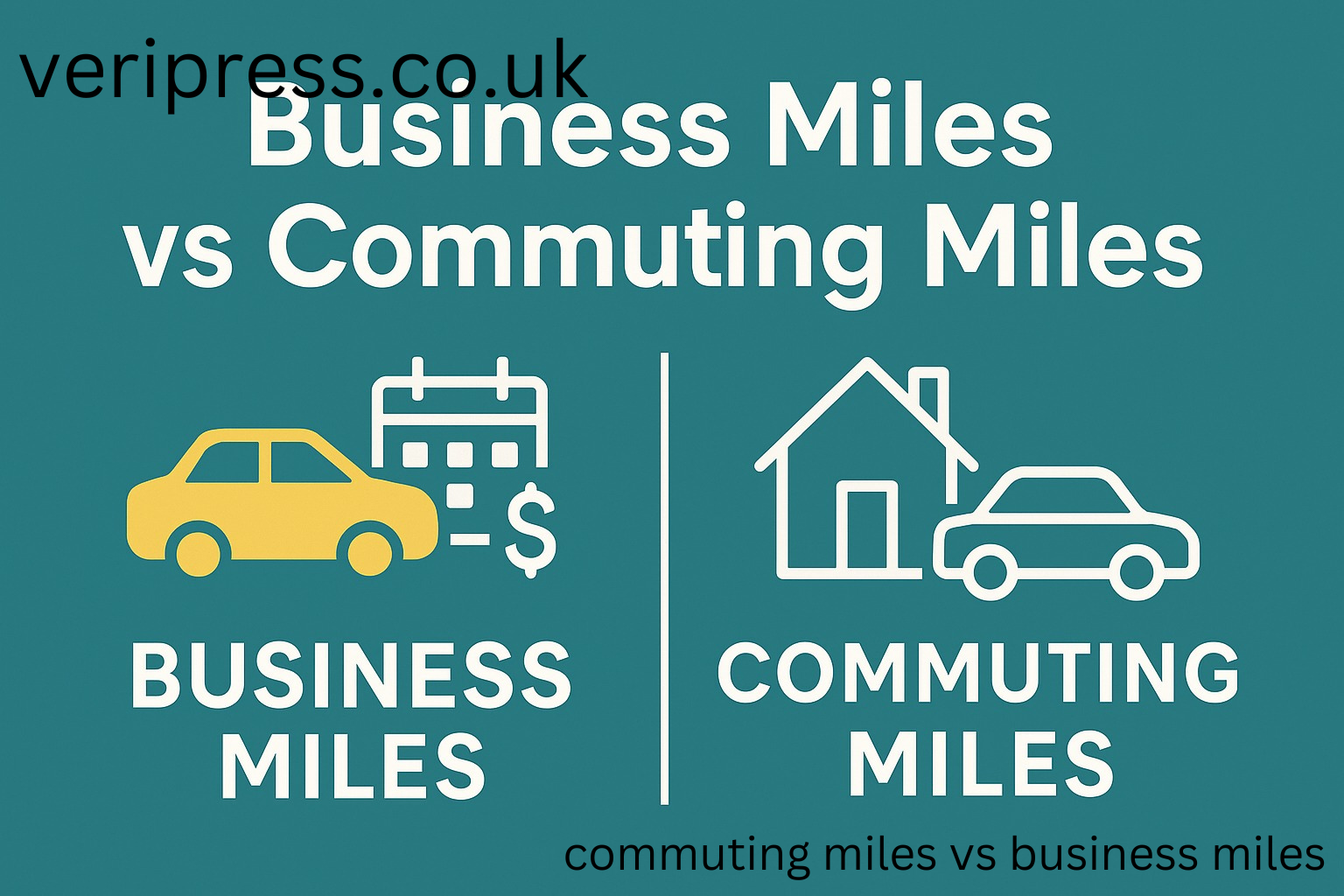
Because when it comes to commuting miles vs business miles, the difference isn’t just technical. It affects your taxes, reimbursements, record-keeping, and ultimately, how much money stays in your pocket.
And trust me, misunderstanding this topic has cost people thousands over time. Let’s make sure that doesn’t happen to you.
What Are Commuting Miles?
The Simple Definition
Commuting miles are the miles you drive from your home to your regular workplace — and back again.
That’s it.
Even if:
- The drive is long
- Traffic is terrible
- You stop for coffee
- You’re exhausted
Those miles are still considered personal commuting.
And yes, that surprises a lot of people.
Why Commuting Miles Are Not Tax-Deductible
Here’s the key thing to understand: tax authorities see commuting as a personal choice, not a business necessity.
You choose:
- Where you live
- Where you work
So the cost of traveling between the two? That’s on you.
Unfair? Maybe. But that’s the rule.
And trying to label commuting miles as business miles can cause real problems later.
What Are Business Miles?
Now here’s where things get interesting.
Business miles are miles driven specifically for work purposes, after you’ve started your workday.
Examples include:
- Driving from your office to meet a client
- Traveling between job sites
- Going to a temporary work location
- Picking up supplies for work
- Traveling to a business meeting
These miles do count.
And yes, they matter a lot.
Commuting Miles vs Business Miles: The Core Difference
Let’s break it down clearly.
| Type of Miles | Purpose | Deductible |
|---|---|---|
| Commuting Miles | Home ↔ regular workplace | ❌ No |
| Business Miles | Work-related travel | ✅ Yes |
Simple table. Huge impact.
Why This Confusion Happens So Often
Because Work Isn’t Traditional Anymore
Years ago, everyone went to one office. Easy.
Now?
- Remote work
- Freelancing
- Side hustles
- Multiple job locations
Suddenly, the line between commuting miles and business miles feels blurry.
And honestly, that’s understandable.
Common Commuting Mileage Scenarios (Explained Simply)
Driving From Home to the Office
Still commuting. Even if you answer emails in the car (don’t).
Stopping Somewhere First
Coffee shop, daycare, gym — still commuting.
Working Late or Early
Time doesn’t change the category.
Commuting is commuting. Period.
Business Mileage Scenarios That Do Count
Traveling Between Work Locations
Office to client? Business miles.
Temporary Work Sites
Short-term locations often qualify.
Client Visits
These miles are clearly business-related.
Running Work Errands
Supplies don’t buy themselves.
What About Working From Home?
This is where things get interesting.
If your home is your primary place of business, mileage rules change.
When Home Is Your Main Office
Driving from home to a client or job site can count as business miles.
When Home Is Not Officially Your Office
Driving to a main office is still commuting.
Tiny detail. Massive difference.
Commuting Miles vs Business Miles for Freelancers
Freelancers deal with this all the time.
Here’s the rule of thumb:
- Home → client = business (if home office qualifies)
- Home → coworking space = often commuting
- Client → client = business
And yes, it’s worth setting this up correctly.
Why Business Mileage Matters Financially
Let’s talk real numbers.
Business miles can often be:
- Reimbursed by employers
- Deducted for tax purposes
- Used to lower taxable income
Over a year, that adds up.
Ignoring legitimate business miles? That’s leaving money on the table.
Mileage Tracking: Where Most People Go Wrong
Guessing Instead of Tracking
Never ends well.
Mixing Commuting and Business Miles
This is a red flag during audits.
Forgetting Small Trips
Those “quick drives” add up fast.
And yes, we’ve all forgotten to log mileage at some point.
How to Track Business Miles Correctly
Use a Mileage App
Automatic tracking saves time and sanity.
Keep a Simple Log
Date, purpose, miles driven.
Be Honest and Consistent
Consistency is your best protection.
Employer Reimbursements: What Usually Counts
Most companies reimburse:
- Client travel
- Job-site travel
- Training trips
They typically do not reimburse:
- Daily commute
- Personal detours
Knowing this avoids awkward conversations later.
Commuting Miles vs Business Miles for Remote Workers
Remote workers often assume everything counts.
Not quite.
Home to Main Office
Still commuting.
Home to Client Meeting
Business miles.
Home to Temporary Assignment
Often business mileage.
Context matters.
Temporary Work Locations: A Gray Area Explained
A temporary workplace is one you don’t expect to work at long-term.
Travel to these locations is often considered business mileage, even if it feels like commuting.
This is where many people miss deductions — or make mistakes.
Why Accuracy Matters (More Than You Think)
Misclassifying miles can lead to:
- Denied deductions
- Repayment demands
- Penalties
- Stress you don’t need
Being accurate isn’t about fear. It’s about protection.
Emotional Side of Mileage Confusion
Let’s be real.
Money rules are exhausting. And mileage rules? Even more so.
But clarity brings relief.
Once you understand the difference between commuting miles and business miles, things feel lighter. Less guessing. More confidence.
Practical Tips to Stay on the Safe Side
- Define your primary workplace clearly
- Separate commuting from business travel
- Track mileage weekly
- Ask before assuming
- Keep documentation
Small habits. Big peace of mind.
Commuting Miles vs Business Miles: The One-Sentence Rule
If the trip is required to do your job, it’s usually business mileage. commuting miles vs business miles.
If it’s just getting to your job, it’s commuting.
Simple. Powerful.
Conclusion: Clarity Is Worth More Than Guesswork
Understanding commuting miles vs business miles isn’t just about rules. It’s about control.
Control over your finances.
Control over your records.
Control over your peace of mind.
And once you get it? You’ll stop second-guessing every drive and start managing your work travel with confidence.
