


Philip Green is one of the most recognized and debated figures in the British retail industry. Known for his sharp business instincts, bold acquisitions, and high-profile lifestyle, he has remained a prominent personality in both corporate and media circles for decades. The name Philip Green often appears in discussions about retail empires, corporate leadership, financial restructuring, and business controversies in the United Kingdom.
Over the years, Philip Green built a vast retail portfolio, gaining both admiration and criticism. His journey from a young entrepreneur to a retail magnate reflects ambition, risk-taking, and resilience. However, his career has also been marked by significant scrutiny, particularly concerning business practices and ethical issues. This article provides a comprehensive overview of his early life, business achievements, leadership style, financial strategies, challenges, and lasting influence on the retail landscape.
Early Life and Background of Philip Green
Philip Green was born on March 15, 1952, in Croydon, London. Raised in a middle-class Jewish family, he did not follow a conventional academic path. Unlike many corporate leaders who graduate from prestigious universities, he left school at the age of 15 without formal qualifications. His early departure from education did not hinder his ambitions; instead, it propelled him into the world of business at a young age.
In his teenage years, he explored various small ventures. He sold jeans, worked in shoe importing, and gained hands-on experience in trading. These early experiences shaped his understanding of margins, sourcing, pricing, and consumer behavior. Rather than building expertise through textbooks, he learned through trial and error in competitive markets.
This entrepreneurial spirit would later become a defining feature of his career.
The Rise of Philip Green in Retail
Philip Green and Early Business Ventures
Before becoming a household name, Philip Green experimented with several business opportunities. In the 1980s, he acquired stakes in struggling companies and attempted to turn them around. Some of these ventures failed, but others laid the groundwork for his future success.
His strategy often involved purchasing undervalued or underperforming businesses, restructuring operations, cutting costs, and eventually selling them for profit. This approach, though controversial at times, demonstrated his strong understanding of financial engineering and corporate recovery.
During this period, he developed a reputation as a bold dealmaker willing to take calculated risks.
Philip Green and the Acquisition of Arcadia Group
One of the most defining moments in the career of Philip Green was his acquisition of the Arcadia Group in 2002. Arcadia owned several well-known high-street fashion brands, including:
- Arcadia Group
- Topshop
- Topman
- Miss Selfridge
- Dorothy Perkins
- Wallis
Under his leadership, these brands experienced a period of strong commercial performance. Topshop, in particular, became an international fashion phenomenon. It collaborated with celebrities and designers, expanded globally, and opened flagship stores in major cities.
Philip Green’s aggressive management style focused on efficiency, fast fashion cycles, and international expansion. For a time, he was credited with revitalizing the British high street.
Philip Green and BHS: A Turning Point
Another significant chapter in the story of Philip Green involves the acquisition of British Home Stores (BHS) in 2000.
Initially, the purchase was seen as a strategic move. However, BHS struggled to compete in an increasingly modern retail environment. Online shopping, changing consumer preferences, and growing competition placed enormous pressure on traditional department stores.
In 2015, Philip Green sold BHS for £1 to a consortium with limited retail experience. The company collapsed into administration shortly afterward, resulting in thousands of job losses and a major pension deficit crisis. This episode significantly affected his public reputation.
The collapse of BHS triggered parliamentary inquiries and widespread criticism. Although he later agreed to contribute hundreds of millions of pounds toward the pension shortfall, the damage to his image was considerable.
Business Strategy and Leadership Style of Philip Green
Philip Green has often been described as decisive, assertive, and highly involved in day-to-day operations. Unlike executives who delegate extensively, he preferred direct control over purchasing, negotiations, and financial planning.
His strategy generally involved:
- Tight cost control
- Strong supplier negotiations
- Centralized decision-making
- Rapid adaptation to trends
- Financial restructuring
Supporters argue that his methods helped rescue struggling brands. Critics, however, claim that heavy cost-cutting sometimes undermined long-term sustainability.
Regardless of perspective, it is undeniable that Philip Green played a major role in shaping UK high-street retail during the early 2000s.
Wealth and Recognition
At the height of his career, Philip Green was one of the wealthiest individuals in the United Kingdom. His fortune was frequently listed among the richest in the country by financial publications.
In 2006, he was knighted for services to retail. This recognition further elevated his profile, symbolizing his influence in the business world. However, years later, following controversies, he relinquished his knighthood.
The contrast between national recognition and later public criticism highlights the complexity of his career.
Philip Green and Public Controversies
Beyond corporate challenges, Philip Green has faced personal and professional controversies. Allegations related to workplace conduct, corporate governance, and executive behavior attracted intense media coverage.
These events reshaped public opinion and sparked broader debates about corporate accountability and ethical leadership. The scrutiny extended beyond business performance, focusing instead on leadership culture and responsibility.
The discussions surrounding Philip Green reflect wider questions about modern capitalism, executive power, and regulatory oversight.
The Decline of Arcadia and Changing Retail Landscape
The global retail sector has undergone massive transformation due to:
- Growth of online shopping
- Rise of digital-first brands
- Fast-changing consumer habits
- Impact of economic downturns
Arcadia struggled to adapt quickly to these shifts. In 2020, the group entered administration, marking the end of an era for several iconic high-street brands.
Eventually, Topshop and related brands were acquired by online fashion retailer ASOS, symbolizing the shift from traditional brick-and-mortar retail to digital commerce.
This development signaled a significant turning point in the legacy of Philip Green.
Legacy of Philip Green in British Retail
The legacy of Philip Green is complex and layered. On one hand, he revitalized major retail brands and generated enormous wealth. On the other, business collapses and controversies clouded his achievements.
His story illustrates both the potential and risks of aggressive corporate leadership. It also reflects how quickly public perception can shift in an era of transparency and accountability.
Many analysts view his career as a case study in:
- Corporate turnaround strategy
- Financial leverage in retail
- The importance of digital transformation
- Leadership accountability
Regardless of criticism, his influence on British retail cannot be ignored.
Lessons from the Career of Philip Green
The professional journey of Philip Green offers several lessons for entrepreneurs and business leaders:
- Risk-taking can lead to significant rewards.
- Adaptability is essential in changing markets.
- Reputation management is as important as financial performance.
- Long-term sustainability requires innovation.
- Ethical governance plays a crucial role in corporate survival.
Modern business leaders often study high-profile figures like Philip Green to understand both success strategies and pitfalls.
Public Image and Media Representation
Over time, Philip Green became a frequent subject of media discussion. His lifestyle, yacht ownership, and public appearances were often highlighted in newspapers and television programs.
This visibility amplified both praise and criticism. The media portrayal shifted dramatically following corporate controversies, demonstrating how closely reputation and leadership are intertwined.
In today’s digital era, public figures face constant scrutiny. The case of Philip Green serves as an example of how quickly narratives can evolve.
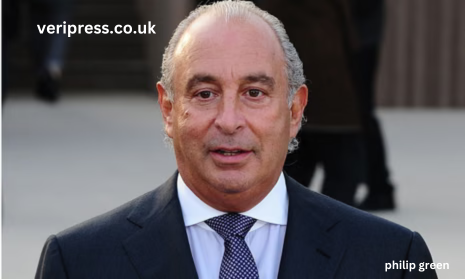
The Future Perspective on Philip Green
As years pass, historians and business analysts may assess Philip Green’s career with greater balance. Immediate controversies often dominate headlines, but long-term evaluations tend to consider broader economic contexts.
Retail itself has transformed dramatically, with traditional models facing unprecedented disruption. Evaluating his impact requires understanding the competitive environment of the time.
Future business studies will likely analyze his strategic decisions alongside industry trends, financial cycles, and technological shift.
Conclusion: Understanding Philip Green in Context
Philip Green remains one of the most significant figures in modern British retail history. His journey from a school dropout to a retail billionaire reflects ambition, determination, and strategic risk-taking. At the same time, corporate failures and controversies highlight the challenges of sustaining large retail empires in a rapidly evolving market.
The story of Philip Green is neither entirely triumphant nor entirely cautionary. It represents a multifaceted narrative of entrepreneurship, power, transformation, and accountability.
In examining his life and career, one gains insight not only into one individual but also into the broader evolution of retail business in the United Kingdom.
