


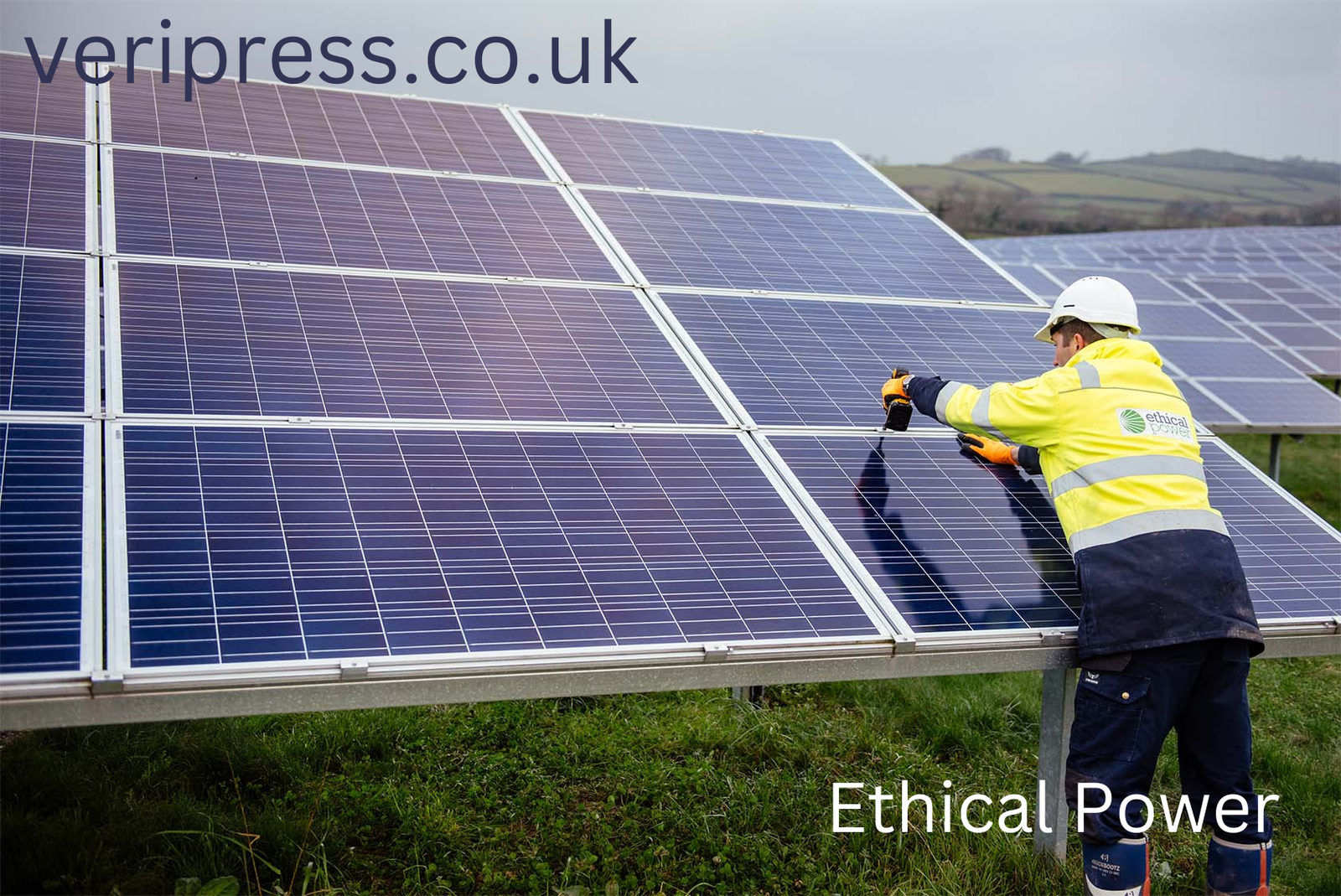
When people hear the word power, they usually imagine authority, money, titles, or control. Maybe it’s the boss who calls the shots, the politician behind the Ethical Power microphone, or the CEO signing off on big decisions. And honestly, that makes sense. That’s how power has traditionally looked.
But here’s what’s interesting some of the most influential people you’ve ever met probably didn’t have much formal authority at all.
They were trusted.
They were respected.
They made you feel safe doing the right thing.
That’s ethical power. And to be honest, it’s one of the most underrated forces shaping our workplaces, communities, and even personal lives today.
Ethical power isn’t loud. It doesn’t threaten or manipulate. It doesn’t rely on fear. Instead, it works quietly, consistently, and deeply—building influence through integrity, fairness, and values that don’t disappear when things get hard.
And yes, we’ve all been there—caught between doing what’s easy and doing what’s right. Ethical power lives in that exact moment.
Let’s unpack what ethical power really means, why it matters more than ever, and how you can build it in real, practical ways.
What Is Ethical Power, Really?
At its core is the ability to influence people, decisions, or outcomes through moral integrity and responsible behavior, rather than force, fear, or personal gain.
It’s power grounded in values.
Instead of saying, “Do this because I said so,” ethical power says, “This is the right thing to do—and here’s why.”
Key Elements of Ethical Power
usually shows up through a few consistent traits:
- Integrity – Doing the right thing even when no one is watching
- Fairness – Treating people with respect and consistency
- Transparency – Being open about motives and decisions
- Accountability – Owning mistakes instead of hiding them
- Empathy – Considering how decisions affect real people
And what’s powerful about this approach is that it creates voluntary followership. People choose to trust you. They want to work with you. They believe in your leadership.
That kind of influence lasts.
Ethical Power vs. Traditional Power: A Clear Difference
So let’s compare with more traditional forms of power, because the contrast matters.
Traditional Power Often Relies On:
- Authority or position
- Fear of consequences
- Short-term compliance
- Control and pressure
Ethical Power Relies On:
- Trust and credibility
- Shared values
- Long-term commitment
- Mutual respect
And yes, traditional power can get quick results. But builds loyalty, stability, and reputation over time.
Think about it—would you rather work for someone you fear, or someone you trust?
Exactly.
Why Ethical Power Matters More Than Ever Today
Let’s be honest. People are paying closer attention now.
In business, politics, media, and leadership, unethical behavior doesn’t stay hidden for long. Social media, whistleblowers, and transparency tools have changed the game.
And that’s why has become a serious advantage.
In the Workplace
Employees don’t just want paychecks anymore. They want:
- Ethical leadership
- Fair policies
- Honest communication
- Purpose-driven organizations
A leader with ethical power creates a culture where people feel safe speaking up, sharing ideas, and doing meaningful work.
In Business and Brands
Consumers notice values. They care about:
- How companies treat employees
- Environmental responsibility
- Honest marketing
- Social impact
Brands built on earn trust—and trust converts better than any ad campaign.
In Personal Life
Even in friendships and families, shows up as reliability, honesty, and emotional consistency. People gravitate toward those who act with integrity, especially when life gets messy.
How Ethical Power Builds Trust (And Why Trust Is Everything)
Trust isn’t built through speeches. It’s built through behavior.
creates trust because it’s predictable. People know what you stand for. They know you won’t change your values based on convenience.
Trust Grows When You:
- Keep promises, even small ones
- Admit mistakes instead of deflecting blame
- Make fair decisions, even when unpopular
- Treat everyone with dignity
And here’s the thing—trust compounds. One ethical decision leads to another, and before you know it, people see you as credible, dependable, and influential.
That’s real power.
Ethical Power in Leadership: Leading Without Losing Your Soul
Leadership is where shines brightest—and where it’s tested the most.
Because leading ethically isn’t always easy.
Sometimes it means:
- Turning down profitable but unethical deals
- Standing up for employees when it’s uncomfortable
- Choosing long-term values over short-term wins
Traits of Ethical Leaders
Ethical leaders tend to:
- Lead by example
- Listen more than they speak
- Make values-based decisions
- Encourage accountability at all levels
And yes, they still make tough calls. But they do it with transparency and respect.
So people may not always agree—but they understand.
Common Challenges to Ethical Power (And How to Handle Them)
Let’s be real. Ethical power isn’t automatic. There are real challenges.
1. Pressure to Compromise
Deadlines, money, competition—pressure can push people toward shortcuts.
What helps: Clear values and boundaries decided before the pressure hits.
2. Fear of Conflict
Doing the right thing sometimes means confrontation.
What helps: Remembering that short-term discomfort often prevents long-term damage.
3. Misunderstanding Kindness as Weakness
Some people think ethical leaders are “too soft.”
What helps: Ethical power isn’t passive. It’s firm, principled, and consistent.
Practical Ways to Build Ethical Power in Your Own Life
You don’t need a title to practice ethical power. Anyone can build it.
Here are some simple but effective ways:
- Speak honestly, even when it’s awkward
- Treat people fairly, especially when no one is watching
- Align actions with stated values
- Say no to opportunities that compromise integrity
- Take responsibility when things go wrong
And trust me, these small choices add up faster than you think.

Ethical Power and Long-Term Success
What’s fascinating is how often ethical power leads to sustainable success.
Organizations led ethically:
- Experience lower turnover
- Build stronger reputations
- Recover faster from crises
- Attract loyal customers and partners
Individuals with ethical power:
- Earn respect
- Build meaningful networks
- Create influence that lasts
So while unethical shortcuts may look tempting, ethical power plays the long game—and usually wins.
Conclusion: Ethical Power Is a Choice You Make Every Day
Ethical power isn’t about being perfect. It’s about being intentional.
It’s choosing values over convenience.
It’s standing firm when it would be easier to bend.
And it’s understanding that real influence comes from trust, not fear.
So the next time you’re faced with a tough decision, pause for a moment. Ask yourself not just “What can I do?” but “What should I do?”
Because ethical power doesn’t just shape outcomes—it shapes character. And that’s a kind of strength no one can take away.
