

Few figures in British journalism have commanded as much attention, respect, and controversy as Andrew Neil. Over the course of several decades has built a reputation as one of the most formidable interviewers in political broadcasting. Known for his sharp questioning style, deep knowledge of public affairs, and unwavering on-air presence, he has become a defining voice in modern British media.
This in-depth article explores early life, education, journalism career, editorial leadership, broadcasting legacy, political views, business ventures, and long-term impact on journalism. Through careful analysis, we examine how became one of the most recognizable names in British broadcasting.
Who Is Andrew Neil?
Andrew Neil is a Scottish journalist, broadcaster, and media executive. He is best known for his long career at the BBC, where he hosted flagship political programs and conducted high-profile interviews with politicians from across the political spectrum.
Throughout his career has developed a reputation for:
- Tough and direct interviewing
- Extensive preparation
- Economic and political expertise
- Editorial leadership
His influence extends beyond broadcasting into publishing and media management.
Early Life of Andrew Neil
Andrew Neil was born on May 21, 1949, in Paisley, Scotland. Raised in a working-class household, his early experiences shaped his understanding of social and economic structures in the United Kingdom.
Growing up in Scotland during a period of industrial and political transformation exposed to debates around class, opportunity, and governance. These early influences would later inform his journalism and political commentary.
Andrew Neil’s Education
Education played a pivotal role in development. He attended the University of Glasgow, where he studied political economy. His academic background provided him with a strong foundation in economics and political systems—knowledge that later became evident in his interviews and analysis.
Andrew Neil’s education allowed him to:
- Understand macroeconomic policy
- Analyze fiscal decisions
- Question political narratives effectively
- Interpret global economic trends
This intellectual grounding distinguishes from many media personalities who lack formal economic training.
Andrew Neil and His Early Journalism Career
Andrew Neil’s journalism career began in the 1970s. His early professional experiences included work in business journalism, where he developed expertise in financial reporting and economic analysis.
His career took a significant turn when he joined The Sunday Times. Over time rose through the ranks and eventually became editor of the newspaper in 1983.
Andrew Neil as Editor of The Sunday Times
tenure as editor of The Sunday Times lasted from 1983 to 1994. During this period, he oversaw major investigative stories and strengthened the paper’s reputation for robust journalism.
Under his leadership, The Sunday Times:
- Expanded investigative reporting
- Increased international coverage
- Strengthened its political commentary
- Gained significant readership
editorial style combined commercial awareness with strong journalistic ambition. His time as editor remains one of the most defining chapters of his professional life.
Andrew Neil’s Transition to Broadcasting
After leaving full-time newspaper editing transitioned more prominently into broadcasting. His ability to dissect policy details and challenge politicians made him a natural fit for television journalism.
His association with the BBC became one of the most recognizable elements of his career. Programs featuring became known for intense and often uncomfortable interviews.
Andrew Neil and the BBC Political Programs
hosted and contributed to several major BBC political programs, including:
- The Daily Politics
- This Week
- Sunday Politics
On these platforms conducted interviews with prime ministers, party leaders, and international figures. His questioning style was consistent—meticulous preparation combined with rapid-fire challenges.
Politicians often described interviews with as demanding but fair. His approach was rooted in evidence and policy rather than theatrics.
Andrew Neil’s Interviewing Style
One of the most discussed aspects of career is his interviewing technique.
Characteristics of Andrew Neil’s Style:
- Direct questioning
- Use of detailed statistics
- Calm but firm tone
- Relentless follow-ups
- Refusal to accept evasive answers
interviews frequently went viral due to their intensity. Yet his style was not partisan; he challenged politicians from all major parties.
His method reinforced the importance of accountability in democratic societies.
Andrew Neil and Political Neutrality
Throughout his career has often been asked about his political leanings. While he has personal views—as all commentators do—his broadcasting career was largely defined by his willingness to challenge all sides.
political interviews included:
- Conservative Party leaders
- Labour Party figures
- Liberal Democrats
- Scottish National Party representatives
- International policymakers
His consistent scrutiny of politicians across the spectrum strengthened his credibility as a journalist.
Andrew Neil and Brexit Coverage
The Brexit referendum marked a turning point in British politics, and played a significant role in covering the debate.
During the referendum campaign and subsequent negotiations interviewed key figures advocating both Leave and Remain positions. His economic expertise was particularly valuable in dissecting claims about trade, sovereignty, and fiscal impact.
Brexit coverage further solidified reputation as one of the UK’s most serious political broadcasters.
Andrew Neil’s Business Ventures
Beyond journalism,has also been involved in media entrepreneurship. He played a role in launching and supporting new broadcasting ventures.
One notable chapter was his involvement in the launch of GB News.initially served as chairman and presenter, aiming to create a platform offering diverse viewpoints.
Although his tenure at GB News was relatively short, it demonstrated continued interest in shaping the future of British media.
Andrew Neil’s Views on Media Freedom
frequently spoken about the importance of press freedom and robust journalism. He argues that media organizations must challenge authority rather than align too closely with political interests.
According to philosophy:
- Journalists must prioritize facts
- Broadcasters must avoid bias
- Interviewers should remain independent
- Media institutions must adapt to digital change
His perspective reflects decades of experience navigating the evolving media landscape.
Andrew Neil and International Coverage
Although primarily known for UK political reporting has also engaged in international affairs commentary. His knowledge of global economics enabled him to analyze:
- European Union policies
- US elections
- Middle Eastern politics
- Global trade disputes
ability to contextualize international developments within broader economic frameworks set him apart from many commentators.
Andrew Neil’s Legacy in Journalism
When assessing legacy, several themes stand out:
- Accountability journalism
- Economic literacy in broadcasting
- Editorial leadership
- Adaptation across media platforms
career bridges print journalism and television broadcasting, reflecting the transformation of media over the past 40 years.
Andrew Neil and Public Perception
Public opinion about has always been strong—both positive and critical. Supporters praise his intellectual rigor and fairness. Critics sometimes view his style as confrontational.
However, even critics acknowledge that prepares thoroughly and avoids superficial commentary.
His influence is undeniable. Many younger journalists cite as an inspiration for serious political interviewing.
Andrew Neil in the Digital Era
As media consumption shifted toward online platforms and social media adapted to new formats. He engaged with audiences beyond traditional television, contributing commentary and participating in public discussions across digital channels.
The digital era presents challenges such as misinformation and polarization has emphasized the importance of credible journalism in countering these trends.
Andrew Neil’s Impact on Political Interviews
Modern political interviews in the UK often reflect standards that helped popularize:
- Data-driven questioning
- Policy-based debate
- On-the-spot fact-checking
- Extended interview formats
His influence can be seen in the next generation of broadcasters who prioritize substance over spectacle.
Andrew Neil and Scottish Identity
As a Scot who built a career in London-based media, Andrew Neil occasionally addressed issues related to Scottish politics and independence.
While he maintained professional neutrality in interviews, his background gave him insight into debates about devolution and the future of the United Kingdom.
Andrew Neil’s Scottish roots remain part of his identity, even as his influence expanded nationally and internationally.
Awards and Recognition for Andrew Neil
Throughout his career, Andrew Neil has received recognition for his contributions to journalism. Although not always seeking public accolades, his longevity in high-profile roles speaks to professional respect within the industry.
His reputation rests not on celebrity but on consistency and expertise.
Andrew Neil’s Personal Life and Interests
While Andrew Neil is widely known for his professional work, he has maintained a relatively private personal life. He has interests beyond journalism, including business and leisure activities.
His public persona centers on ideas and analysis rather than personal publicity.
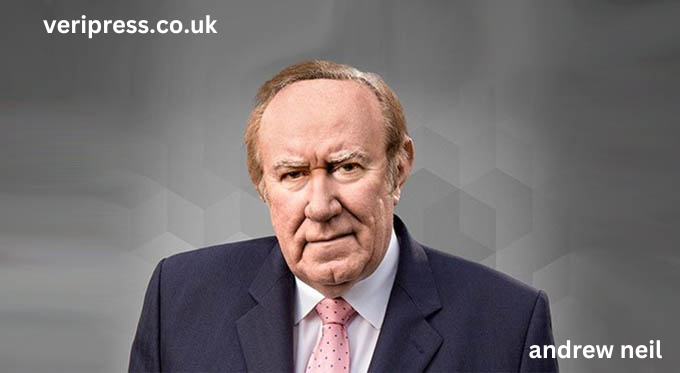
Why Andrew Neil Remains Relevant
Even after decades in journalism, Andrew Neil remains relevant because:
- Politics continues to require scrutiny
- Economic literacy remains essential
- Interviewing standards must be upheld
- Media credibility is under pressure
Andrew Neil’s career serves as a reminder that journalism can be both rigorous and influential.
Conclusion: The Enduring Influence of Andrew Neil
Andrew Neil career reflects the evolution of British journalism from print dominance to television prominence and digital expansion. His commitment to detailed questioning, economic understanding, and political accountability has shaped public discourse for decades.
From his early days at The Sunday Times to his broadcasting career at the BBC and beyond, Andrew Neil has consistently demonstrated intellectual discipline and journalistic resilience.
In a rapidly changing media environment, figures like Andrew Neil highlight the enduring importance of preparation, independence, and fearless questioning. His legacy is not defined by controversy or celebrity but by the sustained pursuit of informed public debate.
Andrew Neil stands as one of the most significant British broadcasters of his generation—a journalist whose influence will continue to shape political interviewing standards for years to come.