


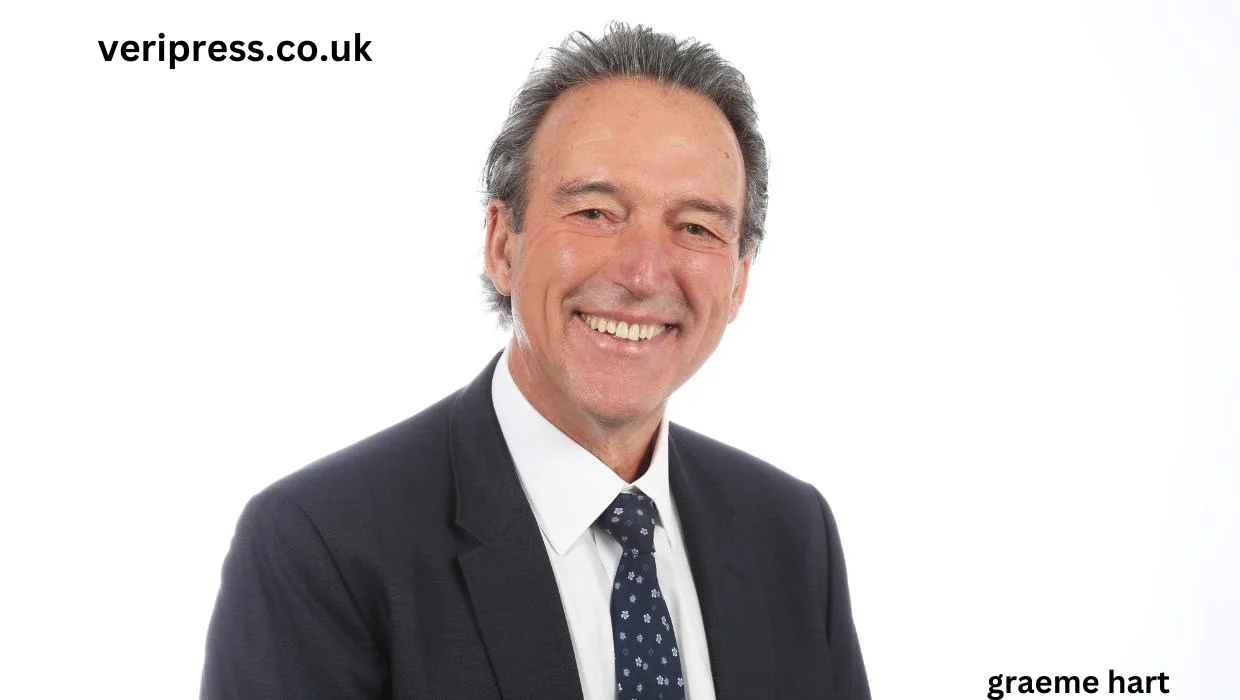
When discussing global billionaires who prefer privacy over publicity, Graeme Hart stands out as one of the most intriguing figures. Known as New Zealand’s wealthiest individual built his fortune through strategic acquisitions, disciplined financial management, and a deep understanding of industrial packaging businesses. Unlike many high-profile entrepreneurs, he maintains a low public profile, allowing his business achievements to speak louder than personal appearances.
This comprehensive article explores the life, business strategy, wealth accumulation, and legacy of Graeme Hart. From modest beginnings to global acquisitions, his story reflects determination, calculated risk-taking, and a long-term investment philosophy.
Early Life and Background of Graeme Hart
Graeme Hart was born in Auckland, New Zealand. His early life did not resemble that of a future billionaire. Coming from a working-class background, Hart grew up in a modest environment and worked several jobs during his youth.
Before entering the world of corporate acquisitions,worked as a tow-truck driver. This detail often surprises people, as it contrasts sharply with his later status as one of the richest individuals in the Southern Hemisphere.
He later pursued higher education, earning a Master of Business Administration from the University of Otago. His academic training in business management laid the foundation for his disciplined investment strategies.
Graeme Hart and His Entrepreneurial Beginnings
The entrepreneurial journey of Graeme Hart began in the 1980s during a period of economic reform in New Zealand. The country was undergoing significant deregulation, creating opportunities for private investors willing to take calculated risks.
Graeme Hart focused on acquiring underperforming businesses. Instead of building companies from scratch, he purchased struggling enterprises, restructured them, reduced inefficiencies, and improved profitability. This acquisition-based growth strategy became the hallmark of his career.
His early investments involved government-owned assets that were privatized during economic reforms. These transactions allowed him to enter industries at relatively low costs and apply strict operational discipline.
Graeme Hart’s Business Strategy Explained
One of the defining characteristics of career is his consistent investment philosophy. His strategy can be summarized in several key principles:
- Acquire undervalued businesses
- Improve operational efficiency
- Maintain strict cost controls
- Focus on stable, essential industries
- Avoid excessive publicity
Unlike technology entrepreneurs who rely on rapid innovation cycles,built wealth in traditional industrial sectors. His primary focus became packaging and related manufacturing industries.
Graeme Hart and the Global Packaging Industry
The packaging sector may not attract headlines like technology or entertainment, but it is a fundamental part of global commerce. From food containers to beverage packaging, the industry supports supply chains worldwide.
identified packaging as a stable and recession-resistant sector. Demand for packaging remains relatively steady, even during economic downturns. This stability made it an attractive long-term investment.
Through a series of acquisitions, he expanded his influence in global packaging markets, particularly in North America and Europe.
Reynolds Group Holdings and Graeme Hart
One of the most significant milestones in career was the formation of Reynolds Group Holdings. Through this company, he acquired major packaging brands and manufacturing operations.
Reynolds Group became known for owning well-established consumer packaging brands, including aluminum foil and food storage products commonly found in households.
acquisition strategy often involved using leveraged buyouts. This method allowed him to purchase large corporations with borrowed capital, then repay debt through operational improvements and consistent cash flow.
Graeme Hart’s Acquisition of Major Brands
Over the years acquired several globally recognized packaging businesses. These acquisitions expanded his international footprint and solidified his status as a global industrial leader.
His portfolio has included companies such as:
- Reynolds Consumer Products
- Pactiv (food packaging manufacturer)
- Evergreen Packaging
By focusing on companies with strong cash generation capabilities ensured that his investments provided steady returns.
Financial Discipline and Graeme Hart’s Wealth Growth
A defining feature of success is financial discipline. He avoids unnecessary expansion and speculative investments. Instead, he prioritizes:
- Debt management
- Operational cost reduction
- Long-term cash flow stability
This disciplined approach enabled him to build a multi-billion-dollar fortune without relying on volatile industries.
According to global wealth rankings has consistently been listed among the wealthiest individuals in New Zealand and the Asia-Pacific region.
Graeme Hart’s Net Worth and Global Ranking
Over time net worth has fluctuated depending on market conditions and business performance. However, he has frequently been recognized in global billionaire rankings.
His wealth primarily stems from industrial packaging holdings rather than diversified technology or financial investments.
Unlike more publicly visible billionaires rarely engages in interviews or public events. His preference for privacy has added to his mystique in the business world.
Graeme Hart and Privacy
One of the most remarkable aspects of Graeme Hart’s life is his commitment to privacy. In an era when many billionaires maintain strong social media presences and public branding strategies, he chooses discretion.
He seldom appears in public interviews and avoids media attention. This low-profile approach contrasts with figures such as tech executives or venture capitalists who frequently engage in public speaking.
Graeme Hart’s preference for privacy underscores his focus on business operations rather than personal recognition.
Graeme Hart’s Real Estate and Assets
While he maintains privacy, it is known that Graeme Hart owns luxury properties and assets. Reports have linked him to high-value real estate holdings in New Zealand and international locations.
His property investments include:
- Waterfront estates
- Luxury residences
- Commercial real estate
These holdings represent diversification beyond industrial packaging.
Philanthropy and Graeme Hart
Compared to some billionaires who publicly promote philanthropic initiatives, Graeme Hart maintains a more reserved approach to charitable contributions.
Although not highly publicized, he has been involved in educational and community-related causes within New Zealand. His philanthropic efforts align with his overall preference for discretion.
Graeme Hart and Economic Influence in New Zealand
As the wealthiest individual in New Zealand, Graeme Hart’s business decisions have economic significance. His investments contribute to employment, manufacturing output, and international trade.
However, his primary business operations are largely based overseas, particularly in North America. This global orientation reflects his focus on larger consumer markets.
Leadership Style of Graeme Hart
Graeme Hart’s leadership style is often described as analytical and financially focused. Rather than acting as a public-facing executive, he emphasizes:
- Strategic planning
- Financial restructuring
- Operational oversight
- Delegation to experienced management teams
He relies on structured corporate governance and measurable performance indicators.
Challenges Faced by Graeme Hart
Building a global packaging empire has not been without challenges. Graeme Hart has navigated:
- Market downturns
- Regulatory changes
- Debt restructuring cycles
- Competitive pressures
Leveraged buyouts, while profitable when managed correctly, carry financial risks. However, his disciplined approach has helped mitigate potential instability.
Graeme Hart’s Long-Term Investment Philosophy
Long-term thinking defines Graeme Hart’s approach. Instead of chasing short-term gains, he focuses on sustainable profitability.
Key elements of his philosophy include:
- Investing in essential goods industries
- Avoiding speculative technology bubbles
- Prioritizing steady cash generation
- Maintaining financial flexibility
This conservative yet strategic approach has proven effective over decades.
Graeme Hart and Global Industrial Trends
The packaging industry continues evolving due to:
- Sustainability demands
- Environmental regulations
- Recycling initiatives
- Consumer preference shifts
Companies associated with Graeme Hart have had to adapt to these changes, particularly regarding environmentally friendly packaging solutions.
Sustainability has become a central issue in global manufacturing. Addressing environmental concerns remains crucial for long-term business viability.
Public Perception of Graeme Hart
Public opinion regarding billionaires varies widely. In New Zealand is often viewed as a self-made success story.
His journey from modest beginnings to billionaire status resonates with narratives of upward mobility. At the same time, discussions about wealth inequality occasionally include references to ultra-high-net-worth individuals.
Graeme Hart’s privacy has shielded him from much public controversy.
Graeme Hart’s Legacy
legacy lies in disciplined acquisition strategy and industrial expansion. Unlike entrepreneurs who revolutionize digital platforms, he strengthened traditional manufacturing sectors.
His contributions include:
- Revitalizing underperforming companies
- Expanding global packaging operations
- Demonstrating the effectiveness of leveraged buyouts
- Maintaining long-term operational focus
He represents a different model of entrepreneurship—one centered on financial engineering and operational efficiency.
Conclusion
Graeme Hart stands as one of the most significant business figures in New Zealand’s history. Through disciplined investment strategies, strategic acquisitions, and a preference for privacy, he built a global industrial empire.
His success story highlights the power of:
- Strategic patience
- Financial discipline
- Operational restructuring
- Focus on essential industries
While he avoids the spotlight impact on global packaging markets and New Zealand’s economic landscape remains substantial. His career reflects the possibility of building immense wealth through calculated risk, long-term thinking, and unwavering business focus.
