


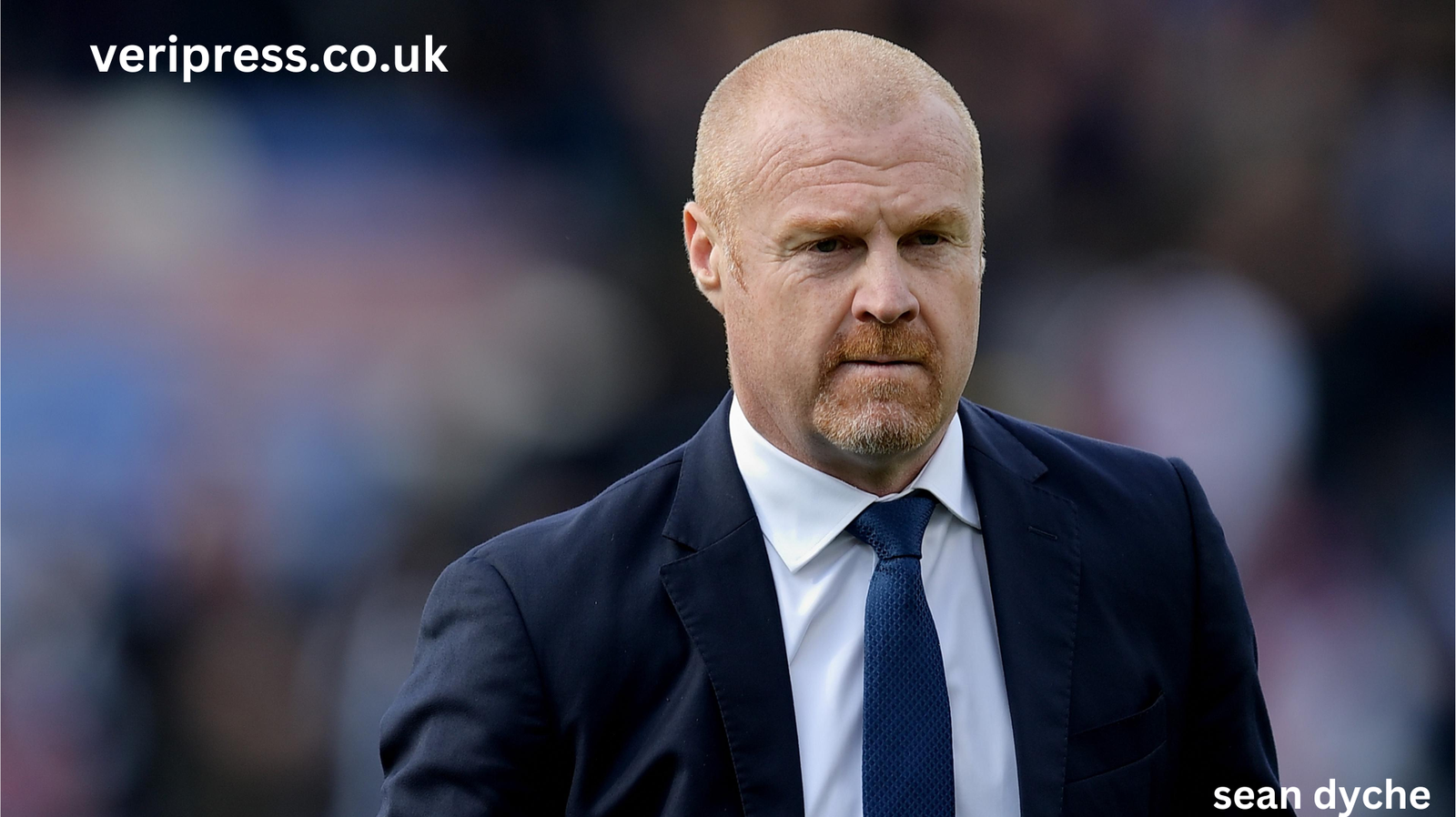
Few managers in modern English football have built a reputation for discipline, resilience, and tactical clarity quite like Sean Dyche. Known for his commanding presence on the touchline and his straightforward philosophy, he has carved out a distinctive identity in one of the world’s most competitive leagues.
From his playing days as a dependable defender to his managerial journey through the English Football League and Premier League, Sean Dyche has consistently demonstrated leadership grounded in hard work and structure. This comprehensive guide explores his early life, playing career, managerial philosophy, tactical approach, major achievements, challenges, and influence on the modern game.
Early Life and Football Beginnings
Born on June 28, 1971, in Kettering, Northamptonshire, Sean Dyche grew up immersed in English football culture. Like many aspiring players of his generation, he developed his skills through local youth systems before entering professional ranks.
His early football education emphasized discipline, physicality, and tactical awareness—traits that would later define both his playing and managerial styles.
Growing up in an era dominated by traditional English football values, he embraced resilience and commitment as core principles.
Playing Career: Foundations of Leadership
Sean Dyche began his professional playing career with Nottingham Forest. Although he did not make a first-team breakthrough there, his move to Chesterfield proved transformative.
Chesterfield Years
At Chesterfield, Dyche became a central figure in defense. He earned recognition for:
- Strong aerial ability
- Vocal leadership
- Tactical awareness
- Defensive organization
His performances contributed to one of the club’s most memorable achievements: reaching the FA Cup semi-final in 1997.
Later Playing Career
After Chesterfield, he represented clubs such as:
- Bristol City
- Luton Town
- Millwall
- Northampton Town
Throughout his playing career, he was known more for reliability and leadership than flair. These characteristics laid the groundwork for his future as a manager.
Transition into Management
The move from player to manager can be challenging, but Sean Dyche approached it methodically.
He initially worked within youth coaching structures, gaining experience in player development and tactical planning. His early managerial opportunity came at Watford.
Watford: The First Managerial Experience
Dyche took charge of Watford in 2011. Despite working under financial constraints, he impressed with his structured approach and commitment to team organization.
Although his tenure was relatively short, it demonstrated his potential as a manager capable of stabilizing teams and building competitive frameworks.
His time at Watford sharpened his ability to manage expectations and navigate administrative pressures.
Burnley Era: Establishing a Premier League Identity
The most defining chapter of Sean Dyche’s managerial career came with Burnley.
Promotion to the Premier League
Appointed in 2012, Dyche led Burnley to promotion from the Championship to the Premier League in the 2013–14 season.
Achieving promotion with limited financial resources showcased his ability to maximize squad potential.
Relegation and Immediate Response
After relegation in 2015, many managers might have struggled to rebuild morale. However, Dyche guided Burnley back to promotion the following season, demonstrating resilience and strategic consistency.
Premier League Stability
Under his leadership, Burnley achieved sustained Premier League stability. The club even secured European qualification in the 2017–18 season by finishing seventh.
This achievement was widely regarded as one of the league’s most impressive managerial accomplishments given the budget disparities between Burnley and top-tier clubs.
Tactical Philosophy of Sean Dyche
Sean Dyche’s tactical identity has been widely discussed in football circles.
Defensive Organization
His teams are known for:
- Compact defensive lines
- Structured formations
- Physical presence
- Strong aerial dominance
Direct and Efficient Attacking
Dyche favors direct attacking transitions. While critics sometimes label his style as traditional, supporters highlight its effectiveness.
His teams prioritize:
- Set-piece efficiency
- Quick counterattacks
- Disciplined positional play
Mentality and Work Ethic
Beyond tactics, Dyche emphasizes mental strength. Players under his management are expected to:
- Maintain high fitness levels
- Demonstrate discipline
- Show accountability
This culture of collective responsibility has been central to his success.
Leadership Style and Dressing Room Influence
Sean Dyche’s leadership style combines authority with transparency.
He is known for:
- Clear communication
- Honest player feedback
- Strong motivational speeches
- Emphasis on teamwork
His deep voice and commanding presence have become part of his public persona, but internally he is respected for fairness and consistency.
Players often credit him for building confidence and fostering unity.
Financial Constraints and Overachievement
One of the most remarkable aspects of Dyche’s managerial journey is his ability to compete against financially superior teams.
Burnley consistently operated with one of the lowest budgets in the Premier League.
Yet, under his leadership, the club achieved survival and even European qualification.
This ability to overachieve with limited resources enhanced his reputation across English football.
Criticism and Tactical Debate
No managerial career is free from criticism.
Sean Dyche has faced debates regarding:
- Playing style aesthetics
- Squad rotation
- Adaptability
Some critics argue his tactics lack creativity. However, supporters counter that effectiveness matters more than entertainment value.
Football remains results-driven, and Dyche’s record demonstrates competitive resilience.
Everton Appointment: A New Challenge
After departing Burnley in 2022, Sean Dyche eventually took charge of Everton.
Managing Everton presents a different scale of pressure compared to Burnley.
Challenges included:
- Relegation battles
- Financial limitations
- Fan expectations
- Structural instability
His appointment was viewed as a strategic move to restore discipline and defensive organization.
Everton required a manager capable of steadying the club during turbulent times.
Man-Management and Player Development
Another important element of Dyche’s career is his ability to develop players.
Under his management, several players improved significantly due to:
- Tactical clarity
- Physical conditioning
- Defined roles
He builds systems that allow players to understand expectations clearly.
This structured environment often leads to consistent performances.
Sean Dyche’s Impact on English Football Culture
Sean Dyche represents a traditional yet modern hybrid of English football management.
He blends:
- Old-school discipline
- Contemporary sports science
- Tactical organization
- Data-informed decisions
His approach reflects the enduring relevance of structured defensive football in an era increasingly dominated by possession-based strategies.
He proves that multiple tactical identities can succeed in the Premier League.
Personality and Public Image
Dyche’s personality has contributed to his popularity.
His humor, honesty, and media interviews often showcase authenticity.
Fans appreciate his straightforward communication style.
He does not rely on complex jargon but instead emphasizes clarity and accountability.
This relatability enhances his public reputation.
Major Career Achievements
Throughout his managerial career, key milestones include:
- Multiple Championship promotions
- Premier League survival campaigns
- European qualification with Burnley
- Long-term managerial stability
Few managers maintain extended tenures in modern football, making his decade-long service at Burnley particularly impressive.
Coaching Philosophy and Modern Adaptation
Although labeled traditional, Sean Dyche has adapted to modern football trends.
He integrates:
- Performance analytics
- Sports science conditioning
- Tactical video analysis
While maintaining core principles, he evolves incrementally.
Adaptability remains essential for longevity in elite management.
Lessons from Sean Dyche’s Career
Several lessons emerge from his journey:
1. Stability Builds Success
Long-term planning yields consistent performance.
2. Structure Over Star Power
Collective systems can outperform individual brilliance.
3. Financial Discipline Matters
Smart recruitment compensates for budget limitations.
4. Leadership Defines Culture
Clear expectations drive accountability.
5. Resilience is Essential
Relegation setbacks can become stepping stones.
These lessons extend beyond football into broader leadership contexts.
Future Prospects
As Sean Dyche continues his managerial journey, the future holds multiple possibilities.
Potential pathways include:
- Continued Premier League management
- Strategic club rebuilding projects
- Advisory or executive roles
- Media and football analysis contributions
His experience positions him as a respected figure within English football circles.
Legacy and Long-Term Influence
Sean Dyche’s legacy will likely center on resilience and structural discipline.
While he may not be associated with flashy tactics, he is synonymous with:
- Competitive determination
- Tactical organization
- Squad unity
Football history values managers who maximize potential, and Dyche consistently achieves that.
His impact demonstrates that managerial identity does not require extravagance—clarity and conviction are equally powerful.
Conclusion
Sean Dyche stands as one of English football’s most distinctive managers.
From his early playing days to his transformative tenure at Burnley and subsequent leadership roles, his journey reflects discipline, perseverance, and tactical integrity.
In a football world often dominated by glamour and rapid change, Sean Dyche embodies stability and structured ambition.
His career offers a compelling study of how leadership, organization, and resilience can elevate clubs beyond expectations.
As English football continues evolving, his contribution remains a testament to the enduring value of clarity, commitment, and collective strength.
