


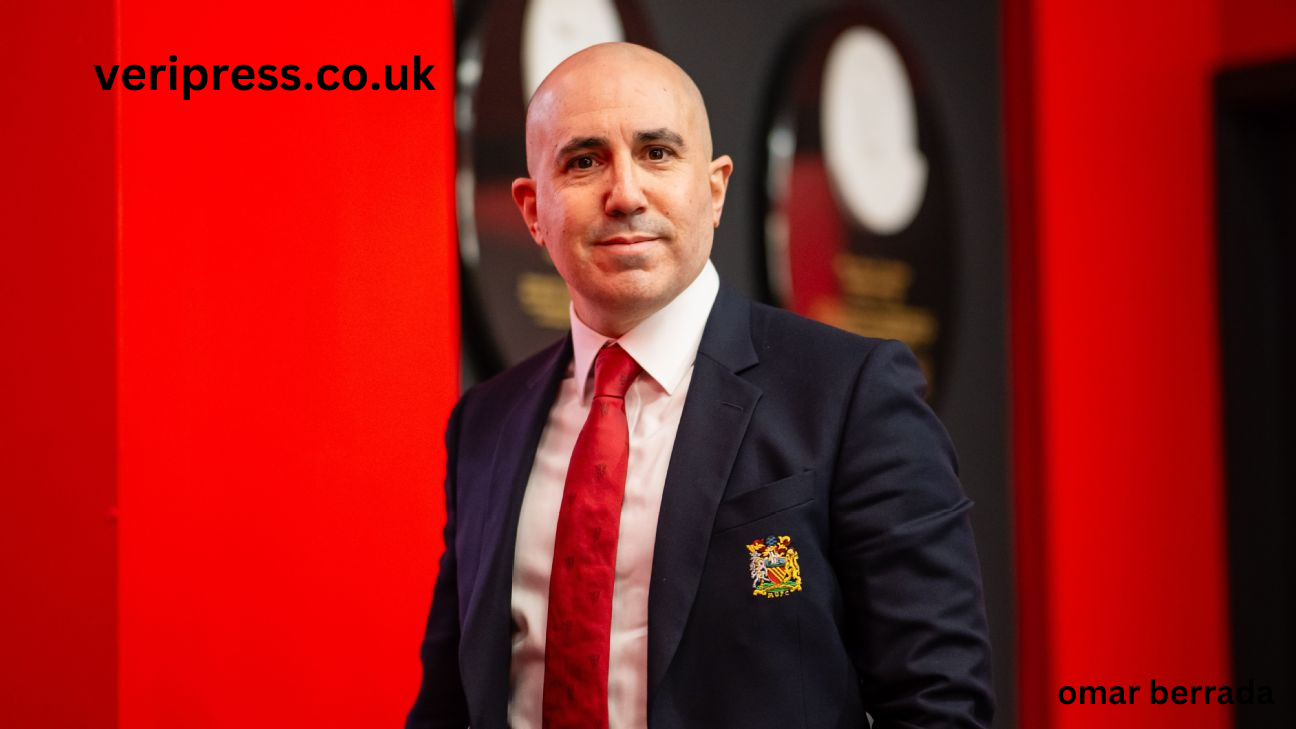
The world of football is often dominated by star players, legendary managers, and iconic clubs. Yet behind every successful organization stands a group of strategic thinkers who shape the future from the boardroom. One such influential figure is Omar Berrada. Known for his sharp business acumen and strategic leadership, he has played a pivotal role in transforming modern football operations at the highest level.
From commercial strategy to executive leadership in elite European football, Omar Berrada has built a reputation as one of the most respected administrators in the sport. This comprehensive article explores his background, career milestones, leadership philosophy, achievements, and impact on global football.
Early Life and Education of Omar Berrada
Understanding the professional journey of Omar Berrada requires a look into his early life and academic background. Born in Morocco, he later pursued higher education in Europe, building a strong foundation in economics and business management.
He studied at the prestigious École des Hautes Études Commerciales de Paris (HEC Paris), one of the world’s leading business schools. His education equipped him with analytical thinking skills, financial expertise, and strategic planning abilities—qualities that would later define his executive career.
His multicultural upbringing and international education helped him develop a global perspective. In modern football, where commercial growth and international branding are crucial, this global mindset became one of his greatest strengths.
Omar Berrada’s Early Career in Corporate Strategy
Before entering football management, Omar Berrada built valuable experience in corporate strategy. He worked in consultancy roles where he gained exposure to high-level financial planning, performance optimization, and operational management.
This corporate background gave him an advantage when transitioning into the football industry. Unlike many traditional football administrators who rose from sporting backgrounds, he entered the field with strong financial and strategic credentials.
Football clubs increasingly operate like multinational corporations, requiring expertise in revenue streams, sponsorship structures, broadcasting rights, and global partnerships. His corporate experience aligned perfectly with this evolving landscape.
The Move to FC Barcelona: A Defining Chapter
A major turning point in Omar Berrada’s career came when he joined FC Barcelona. At the time, the Spanish club was expanding its commercial reach and seeking professionals capable of driving international growth.
During his tenure at Barcelona, he focused on global partnerships, sponsorship development, and expanding the club’s brand beyond Europe. Barcelona’s international appeal grew significantly during that period, benefiting from commercial strategies that aligned with sporting success.
Working at one of the world’s most recognized football institutions gave him insight into managing elite athletes, balancing sporting ambitions with financial sustainability, and navigating complex organizational structures.
This experience solidified his reputation as a rising executive talent in global football management.
Transition to Manchester City and City Football Group
After his successful period in Spain, Omar Berrada joined Manchester City and later became a key executive within City Football Group (CFG). This move marked the beginning of his most impactful professional chapter.
City Football Group oversees multiple football clubs across different continents, including Manchester City, New York City FC, Melbourne City, and several others. Managing such a global network requires a deep understanding of both sport and business strategy.
At Manchester City, he played an instrumental role in commercial expansion, strategic planning, and operational leadership. Under the broader leadership of CFG, the club achieved remarkable sporting and financial success.
His responsibilities extended beyond traditional executive roles, influencing long-term planning and global brand positioning.
Leadership Philosophy of Omar Berrada
One of the defining characteristics of Omar Berrada is his forward-thinking leadership style. He emphasizes collaboration, innovation, and long-term sustainability rather than short-term gains.
His leadership approach includes:
- Data-driven decision-making
- Global market expansion
- Strategic partnerships
- Financial discipline
- Organizational alignment
In elite football, balancing competitive success with financial responsibility is a constant challenge. His ability to navigate this balance has earned him respect among peers.
Unlike executives who focus solely on commercial growth, he integrates sporting ambitions with sustainable financial planning.
Omar Berrada and Commercial Growth Strategies
Modern football clubs rely heavily on diversified revenue streams. Under the executive influence of Omar Berrada, commercial strategies focused on:
- Expanding sponsorship portfolios
- Enhancing digital engagement
- Building global fan bases
- Leveraging media rights
- Developing international academies
Manchester City’s commercial revenue grew significantly during his time with the organization. Strategic global partnerships allowed the club to compete financially with Europe’s biggest institutions.
The global model of City Football Group, which involves acquiring and developing clubs in multiple regions, further demonstrates his vision for international expansion.
Appointment at Manchester United: A Historic Move
One of the most talked-about moments in his career came with his appointment as CEO of Manchester United. This move attracted global attention due to the historical rivalry between Manchester United and Manchester City.
Taking leadership at one of the most iconic football clubs in history presents both opportunity and challenge. Manchester United carries immense global brand value but has faced sporting inconsistencies in recent years.
The arrival of Omar Berrada signaled a renewed focus on strategic restructuring and long-term planning.
His appointment represented a shift toward modern executive leadership, emphasizing operational efficiency, performance analysis, and structural reform.
Challenges Facing Omar Berrada at Manchester United
Leading Manchester United comes with immense pressure. The club’s rich history demands success both on and off the pitch.
Some key challenges include:
- Restoring consistent sporting performance
- Improving football operations
- Strengthening recruitment structures
- Modernizing infrastructure
- Enhancing financial sustainability
Given his previous success in structured environments like City Football Group, many analysts believe he is well-equipped to guide Manchester United into a new era.
The scale of expectation at such a historic club requires resilience and strategic clarity.
The Role of Data and Analytics in Omar Berrada’s Strategy
Football has evolved into a data-intensive industry. From player recruitment to fan engagement, analytics now influence nearly every aspect of club management.
Omar Berrada has consistently supported data integration within football operations. Advanced analytics allow clubs to:
- Identify undervalued players
- Optimize training programs
- Improve injury prevention
- Enhance fan personalization
- Increase commercial targeting
By integrating data with strategic planning, clubs can reduce risk and improve competitive advantage.
His experience in structured corporate environments makes him comfortable operating within data-driven systems.
Global Vision and Multicultural Leadership
One of the standout qualities of Omar Berrada is his international perspective. Having lived and worked across multiple countries, he understands diverse markets and cultural dynamics.
Football is a global sport with supporters in every continent. Managing global fan bases requires cultural sensitivity and localized engagement strategies.
Under executive leadership that values international collaboration, clubs can better adapt to regional markets while maintaining core identity.
His multilingual abilities and cross-cultural experience enhance communication across global networks.
Financial Sustainability and Long-Term Planning
Modern football clubs must navigate Financial Fair Play regulations and increasing operational costs. Executive discipline becomes critical in maintaining financial stability.
Omar Berrada has emphasized structured budgeting, strategic investment, and revenue diversification.
Long-term planning includes:
- Youth development investments
- Infrastructure upgrades
- Strategic sponsorship contracts
- Balanced wage structures
Such discipline ensures clubs remain competitive without jeopardizing financial health.
Impact on Club Culture and Organizational Structure
Beyond financial results, leadership influences organizational culture. Executive decisions shape how departments collaborate and align with overall vision.
A unified structure between sporting directors, recruitment teams, analytics departments, and commercial divisions strengthens performance.
Omar Berrada’s background suggests a strong emphasis on integration between business and football operations.
Building a cohesive structure often requires restructuring legacy systems while preserving club traditions.
Media Attention and Public Perception
High-profile executive roles attract media scrutiny. Omar Berrada’s move between rival clubs generated headlines across Europe.
Public perception of football executives often depends on immediate results. However, strategic transformations typically require time.
Measured communication and transparent planning are essential in managing fan expectations.
His professional demeanor and calm leadership style reflect experience in handling high-pressure environments.
The Modern Football Executive Model
The role of a football executive has evolved significantly. Today’s leaders must combine:
- Financial expertise
- Sporting knowledge
- Marketing insight
- Governance understanding
- International strategy
Omar Berrada exemplifies this modern executive profile. His career demonstrates how football management increasingly resembles corporate leadership.
The shift from traditional administration to structured global business models defines contemporary football governance.
Influence Beyond Individual Clubs
His influence extends beyond a single organization. Through City Football Group’s global network and his later executive roles, he has contributed to shaping multi-club ownership models.
Multi-club structures aim to:
- Develop young talent across regions
- Share scouting data
- Strengthen global branding
- Reduce financial risk
Such models are becoming increasingly common in football’s evolving economic landscape.
Executives with experience managing complex networks bring valuable insight to this trend.
Lessons from the Career of Omar Berrada
Aspiring sports executives can learn several key lessons from his professional journey:
1. Education Matters
Strong academic foundations provide analytical and strategic advantages.
2. Global Thinking Creates Opportunity
International experience enhances leadership flexibility.
3. Balance Sport and Business
Clubs succeed when financial stability supports sporting ambition.
4. Adapt to Industry Evolution
Modern football demands innovation and technological integration.
5. Lead with Structure and Clarity
Organized governance fosters long-term success.
These lessons apply not only to football but to corporate leadership in general.
The Future Outlook for Omar Berrada
As football continues evolving, executive leadership will play an even greater role in shaping competitive balance.
Emerging trends include:
- Artificial intelligence in scouting
- Digital fan engagement platforms
- Sustainable stadium development
- Global media expansion
- Women’s football investment
Given his background in innovation and strategic growth, Omar Berrada is positioned to influence how clubs adapt to these changes.
The coming years will likely define his long-term legacy in football management.
Legacy in Modern Football Governance
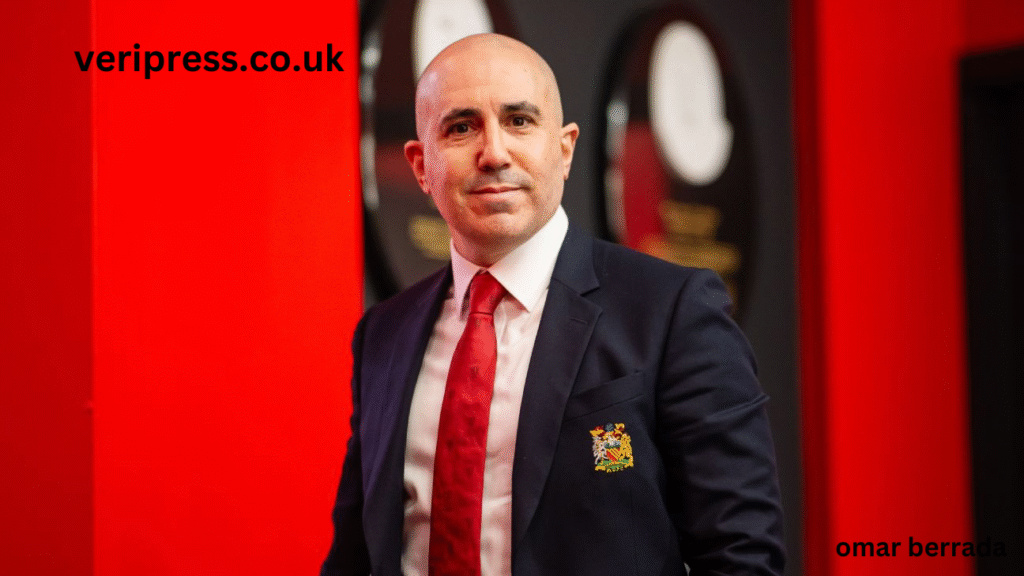
While players and managers often receive the spotlight, executives like Omar Berrada quietly shape the framework that supports success.
His career represents the transformation of football into a sophisticated global industry.
By blending business intelligence with sporting ambition, he has contributed to structural advancements within elite clubs.
Legacy is built not only on trophies but on sustainable systems that endure beyond individual tenures.
Conclusion
Omar Berrada stands among the most influential football executives of his generation. From his early corporate strategy roles to leadership positions at Barcelona, Manchester City, City Football Group, and Manchester United, his journey reflects adaptability, intelligence, and global vision.
His approach combines financial discipline, data-driven strategy, and collaborative leadership. In an era where football operates as a global enterprise, such skills are indispensable.
As Manchester United embarks on a new chapter under his executive direction, the football world watches closely. Transforming legacy institutions requires patience, structural clarity, and unwavering focus.
Through strategic planning, international insight, and operational expertise, Omar Berrada continues shaping the modern football landscape.
His career illustrates how thoughtful leadership behind the scenes can influence the trajectory of some of the world’s most iconic sporting institutions.
