


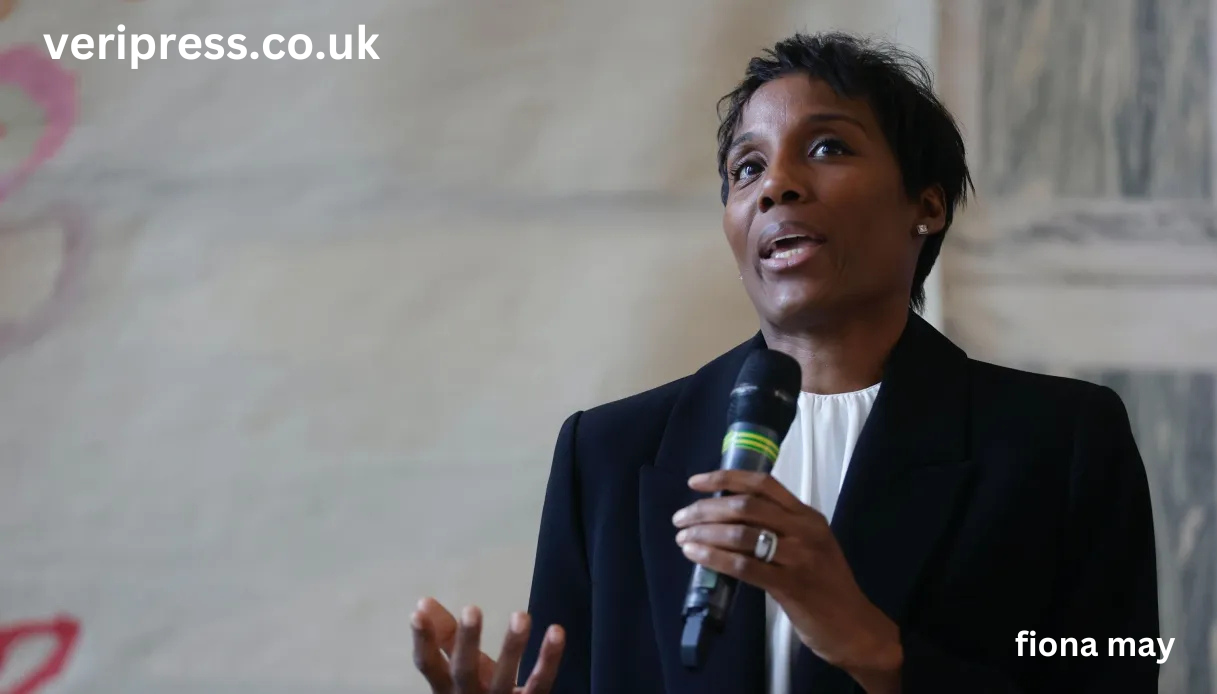
Fiona May stands as one of the most iconic figures in women’s track and field history, particularly in the long jump. Born in the United Kingdom, she became a celebrated athlete representing Italy, winning world championships and Olympic medals. Her journey spans sports, culture, and personal transformation — a story of talent, resilience, and reinvention.
Early Life of Fiona May: From Slough to the World Stage
was born on 12 December 1969 in Slough, England, to Jamaican parents. Growing up in the Midlands and later attending school in Derby, she displayed early athletic promise. Her physical ability caught the attention of teachers and coaches, who encouraged her to pursue athletics seriously at a young age.
She trained with Derby Ladies Athletics Club during her teenage years, laying the foundation for her subsequent rise in international competition. As a young athlete, she quickly developed into a standout long jumper, winning junior titles and representing Great Britain at world youth events.
Fiona May’s Athletic Career: Ascending to Greatness
athletic career is distinguished by her versatility, skill, and sustained excellence on the international stage.
Fiona May’s Beginnings in International Competition
May first broke onto the global athletics scene in 1986, when she competed at the World Junior Championships. Though finishing eighth, it signaled her emergence as a rising talent. She continued improving, and by 1987 she won at the European Junior Championships and then the 1988 World Junior Championships with a jump of 6.88 m.
At just 18 years old, she made her Olympic debut at the 1988 Seoul Olympics, finishing a commendable sixth in the long jump final, an early indicator of her potential in senior competition.
Fiona May and the Switch From Great Britain to Italy
A defining chapter in career was her decision to switch national allegiance from Great Britain to Italy.
Fiona May’s Marriage and Change of Nationality
In 1993 married Italian athlete and coach Gianni Iapichino, which led to her acquiring Italian citizenship in 1994. Around this time she began representing Italy at international competitions.
The decision proved pivotal, both for her career trajectory and her legacy. Competing for Italy provided May with new opportunities and support that helped her excel at the highest levels of the sport. The change was about more than nationality; it marked her evolution into a global athletic superstar.
Fiona May’s Major Athletic Achievements
competitive record is remarkable for its consistency and excellence over nearly two decades.
World Championships Dominance by Fiona May
May became a two-time World Champion in the long jump, winning her first outdoor world title in 1995 at Gothenburg and a second in 2001 at Edmonton. Her success was complemented by other medals, including silver and bronze at various world championships.
Olympic Medals for Fiona May
At the Olympics earned two Olympic silver medals — one at the 1996 Atlanta Games and another at the 2000 Sydney Olympics — placing her among the very elite in her event.
European Championships and Records
At the 1998 European Championships in Budapest, Fiona May recorded her personal best long jump of 7.11 meters, a mark that also stands as the Italian national record. Her jump was enough to secure a silver medal in a fiercely competitive field.
She also competed briefly in the triple jump, achieving a best of 14.65 m in 1998 — an Italian record at the time.
Fiona May’s Style and Strength as a Long Jumper
What distinguished Fiona May was not only her physical skill but her consistency in performing under pressure.
Her ability to deliver powerful, technically sound jumps in multiple major finals set her apart. She often reached beyond 7 m, a rare feat in women’s long jump, and was known for her career longevity — maintaining elite performance well into her thirties.
Fiona May After Retirement: Reinventing Herself
After retiring from competitive athletics in 2006, Fiona May continued to pursue success outside the sports world.
Fiona May’s Show Business Career
Her transition to show business was swift and successful. She became a well-known television personality in Italy, starring in the Italian version of Dancing with the Stars and winning the competition in 2006. She also made her acting debut in the television drama Butta la luna, a series dealing with themes of racism and social integration.
Her on-screen success culminated in receiving recognition at Italian awards for her performance in a short film.
Fiona May’s Role in Sports Administration and Advocacy
Fiona May didn’t step away completely from athletics or influence after her competitive career ended — she transformed it.
Fiona May’s Leadership and Ambassador Roles
She served as a member of the Italian Olympic Committee (CONI) athlete representation and took on key roles aimed at promoting fairness, inclusion, and youth engagement in sports. She also was appointed ambassador for major championships, such as the Roma 2024 European Athletics Championships, where her presence helped bridge past excellence with future athletic aspirations.
Fiona May’s International Engagement and Community Work
By the late 2010s, May had become involved in humanitarian missions, including work with the Italian Salesians of Don Bosco’s missions in Africa, focusing on support for mothers and families.
In addition, she has been active in programs combating racism and advancing social responsibility within sports organizations, such as FIGC’s integration initiatives and other governance roles.
Fiona May’s Personal Life: Family and Legacy
Family of Fiona May
Fiona May’s personal life is deeply interconnected with athletics. Her former husband, Gianni Iapichino, was an accomplished Italian pole vaulter and coach, and together they have two daughters.
Fiona May and Her Daughter’s Athletic Success
Her daughter, Larissa Iapichino, inherited her mother’s long-jumping talent, becoming a highly promising athlete in her own right. Larissa has won national and European titles, continuing the family legacy in the long jump and beyond.
This multi-generational impact on athletics is a testament to Fiona May’s lasting influence on the sport.
Fiona May’s Legacy in Athletics
Fiona May’s legacy extends far beyond her medals and records — she changed perceptions of long jump, carved out a path from the UK to Italy, and became a symbol of perseverance and excellence.
Impact on Italian Athletics
Her record of 7.11 m remains one of the longest-standing Italian track and field marks, a benchmark that inspires future generations.
Role Model for Women in Sports
As a woman of Jamaican heritage competing for two different nations, Fiona May transcended boundaries in sport, culture, and identity. Her success helped break stereotypes and opened doors for women athletes not only in Europe but globally.
Influence Beyond Sport
Her transition to television, media, and governance showcases the possibility of life after professional sports — particularly for athletes seeking new platforms to influence society.
Conclusion: The Lifelong Influence of Fiona May
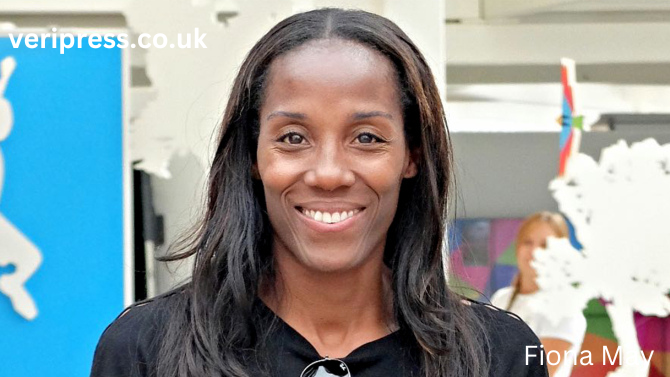
From a promising young jumper in Derby to a world-champion athlete for Italy, from television star to sports ambassador, Fiona May covers a remarkable range of experiences.
Her accomplishments in long jump — including world championships, Olympic medals, and national records — define her as one of the sport’s all-time greats. Yet it is her ongoing influence, through her family, leadership roles, and community engagement, that ensures her impact will be felt for decades.
Fiona May’s journey — marked by grit, evolution, and excellence — remains a powerful inspiration for athletes and fans around the world.
